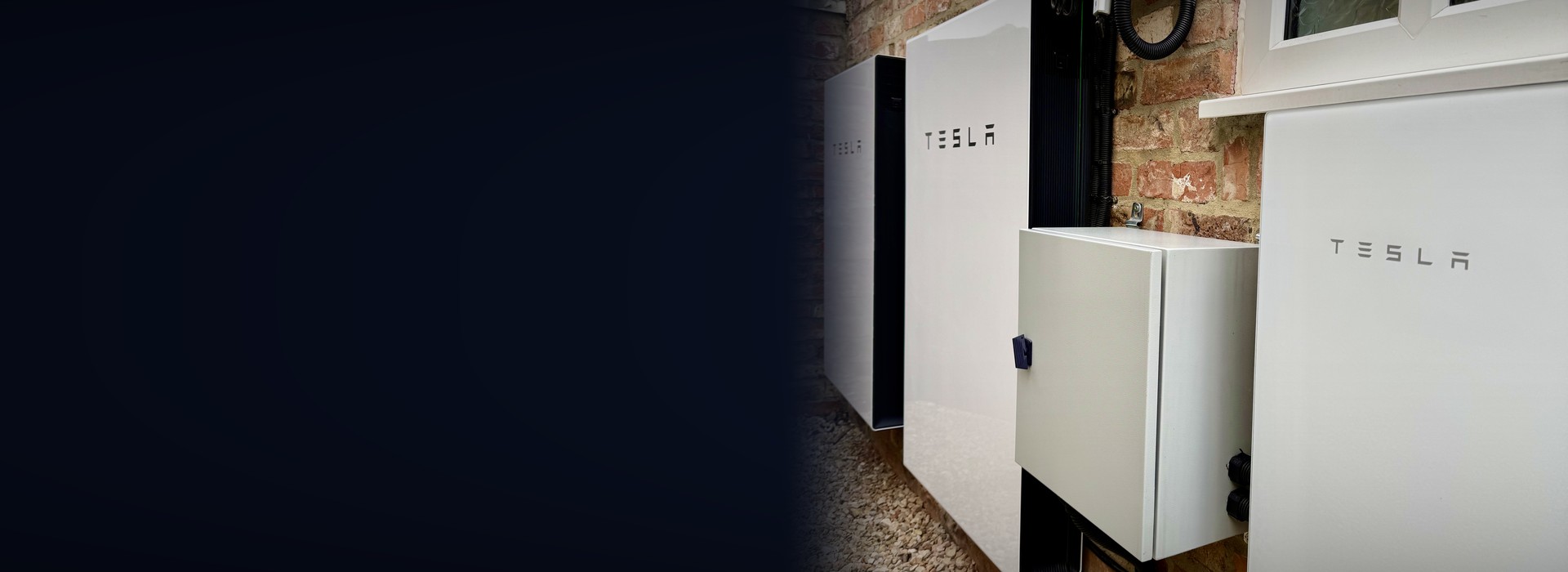
alps-powerwall-banner-1920x700

Home Battery Storage Installation in Nunthorpe

Store your free solar energy or charge on cheap overnight rates, then use it when electricity costs the most.

Whether you’re adding a battery to new solar panels or retrofitting one to a system you already have, Alps Electrical designs and installs home battery storage for homes in Nunthorpe and the surrounding areas. We’re a family-run, Tesla Certified and MCS certified installer based in Yarm, and every installation is carried out by our own team, never subcontracted.

Get a Free Quote 01642 790 489

Home Battery Storage in Nunthorpe

Nunthorpe’s larger homes often use more electricity in the evening, which a correctly sized battery can cover from stored solar or cheap overnight power.

We install Fox ESS, Sigenergy and Tesla Powerwall batteries across Nunthorpe village, Marton, Stainton, Coulby Newham and Great Ayton. We’re based in Yarm, around 9 miles away.

We also cover nearby Middlesbrough.

Property types
Large detached and semi-detached family homes, 1960s to 90s estates, and newer executive homes
With or without solar
A battery can store your own solar power, or charge on a cheap overnight tariff if you don’t have panels yet.
Coverage
Serving all areas of Nunthorpe including Nunthorpe village, Marton, Stainton, Coulby Newham and Great Ayton.
Postcodes covered:TS7TS8

If you don’t see your postcode listed, contact us as we may be able to work in your area.

Get a free quote

Quick answer

How much does home battery storage cost in 2026?

Most home battery installations we carry out cost between £4,500 and £12,000, depending on the size and brand of battery and whether you’re adding solar at the same time. As a guide:

  • Small battery retrofit (around 5kWh): from around £4,500
  • Tesla Powerwall 3 (13.5kWh): from around £8,500 added to existing solar, or around £14,500 including a new solar system
  • Larger systems (20kWh+), such as Tesla, Sigenergy, Fox ESS or myenergi Libbi: ideal for homes with air conditioning, heat pump or high usage

Home battery installations, including batteries added to existing solar and standalone batteries, are zero-rated for VAT until 31 March 2027, after which the rate is due to rise to 5%. Most batteries we install come with a 10-year manufacturer warranty.

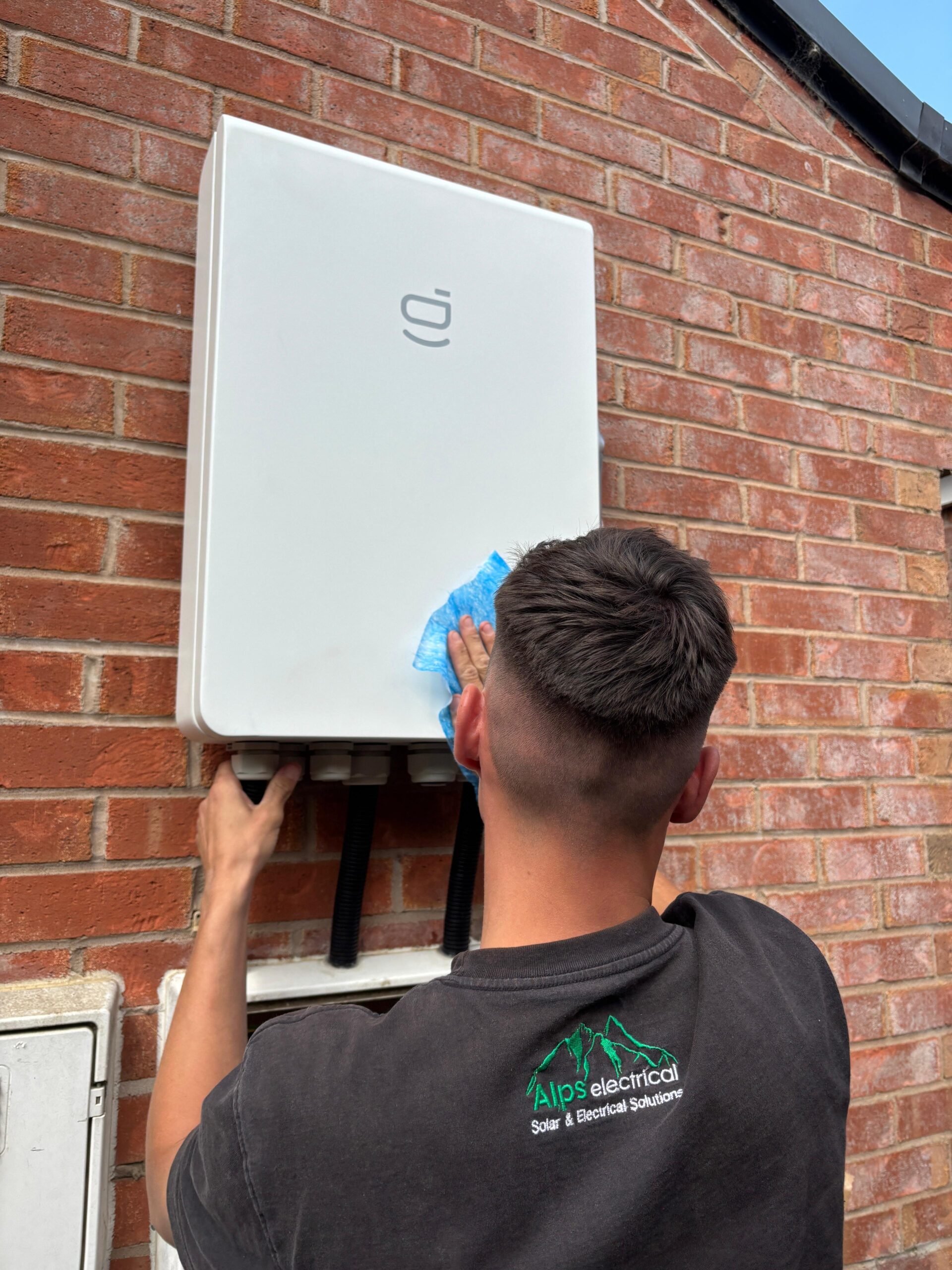
Giving the final polish to a Sigenergy battery storage installation by ALPS Electrical in Coulby Newham

How Does Home Battery Storage Work?

A home battery storage system stores electricity in lithium-ion cells for use when you need it most. The concept is straightforward: charge the battery when electricity is cheap or free (from your solar panels during the day, or from the grid overnight on a cheap tariff) and discharge it when electricity is expensive (during peak daytime and evening hours). This simple principle can save you hundreds of pounds per year and dramatically increase the value of a solar panel system.

Modern home batteries are compact, wall-mounted units that sit in your garage, utility room, or even outside. They are silent in operation, require no maintenance, and are managed entirely through a smartphone app. The battery communicates with your inverter and the grid in real time, automatically deciding when to charge and discharge based on your energy usage, solar generation, and tariff schedule.

Why Install Battery Storage?

Slash Energy Bills
Store cheap overnight electricity and free solar energy to use during expensive peak hours.
Energy Independence
Reduce reliance on the grid and protect yourself from rising electricity prices.
Power Cut Protection
Battery systems with backup capability keep your home running during outages.
Maximise Solar Value
Use more of your own solar generation instead of exporting it cheaply to the grid.
Smart Tariff Savings
Automatically charge at 7.5p/kWh overnight and avoid paying 24p+ during the day.
Future-Proof Your Home
Prepare for EV charging, heat pumps, and an increasingly electrified future.
Get a free quote

Hybrid vs AC-Coupled: Which Battery Type Do You Need?

Understanding the difference between hybrid (DC-coupled) and AC-coupled battery systems is important when choosing the right setup for your home. Each approach has advantages, and the best choice depends on whether you are installing a new system or adding storage to an existing solar installation.

Battery System Comparison

Feature
Recommended
Hybrid (DC-Coupled)
AC-Coupled
Best For New solar + battery installs Adding to existing solar
Round-trip Efficiency 95-97% 89-92%
Single Inverter Yes No
Works with Existing Solar Yes — requires inverter swap Yes
Backup Capability Yes Yes
Installation Complexity Simpler More components
Popular Brands Fox ESS, Sigenergy, Tesla Powerwall 3* Tesla Powerwall 3*
*Powerwall 3 works as either — its built-in solar inverter makes it DC-coupled on a new install, and it can be AC-coupled alongside an existing solar system.

Hybrid (DC-Coupled) Systems

In a hybrid system, the battery connects directly to your solar panels through a hybrid inverter. Solar energy passes through a single conversion from DC to AC, which means higher efficiency, typically 95 to 97 percent. The hybrid inverter manages both the solar panels and the battery, simplifying the installation and reducing the number of components. This is the preferred approach for new solar and battery installations, and it is what we recommend for most customers who are installing solar panels and battery storage at the same time.

AC-Coupled Systems

An AC-coupled battery connects to your home’s electrical supply separately from your existing solar inverter, using its own built-in inverter. This makes it the simplest way to add storage to an existing solar system without replacing equipment that’s working well and for systems on the old Fit (Feed In Tariff).

Adding an AC-coupled battery to an existing FIT tariff will not affect your FIT payments, and will actually store the energy otherwise exported to the grid, which you still get paid for.

The Tesla Powerwall 3 is flexible here: it has a built-in solar inverter for new hybrid solar/battery installations, but it can also be added to most existing solar systems as a retrofit battery only solution.

Not sure which type you need?

If you are installing solar panels and a battery at the same time, a hybrid system is almost always the better choice. If you already have solar panels and want to add a battery without replacing your inverter, an AC-coupled system like the Tesla Powerwall is the way to go.

Get a free quote

Battery Sizing Guide

Choosing the right battery size is crucial. Too small and you will not capture all your available solar energy or cheap-rate electricity. Too large and you are paying for storage capacity you do not use.

Where Can a Home Battery Be Installed?

Where your battery goes matters for safety, and the rules have tightened. Home battery installations in the UK now follow PAS 63100, a British Standards fire-safety specification, and the wiring regulations (BS 7671) include a dedicated section on home batteries.

In practice, that means:

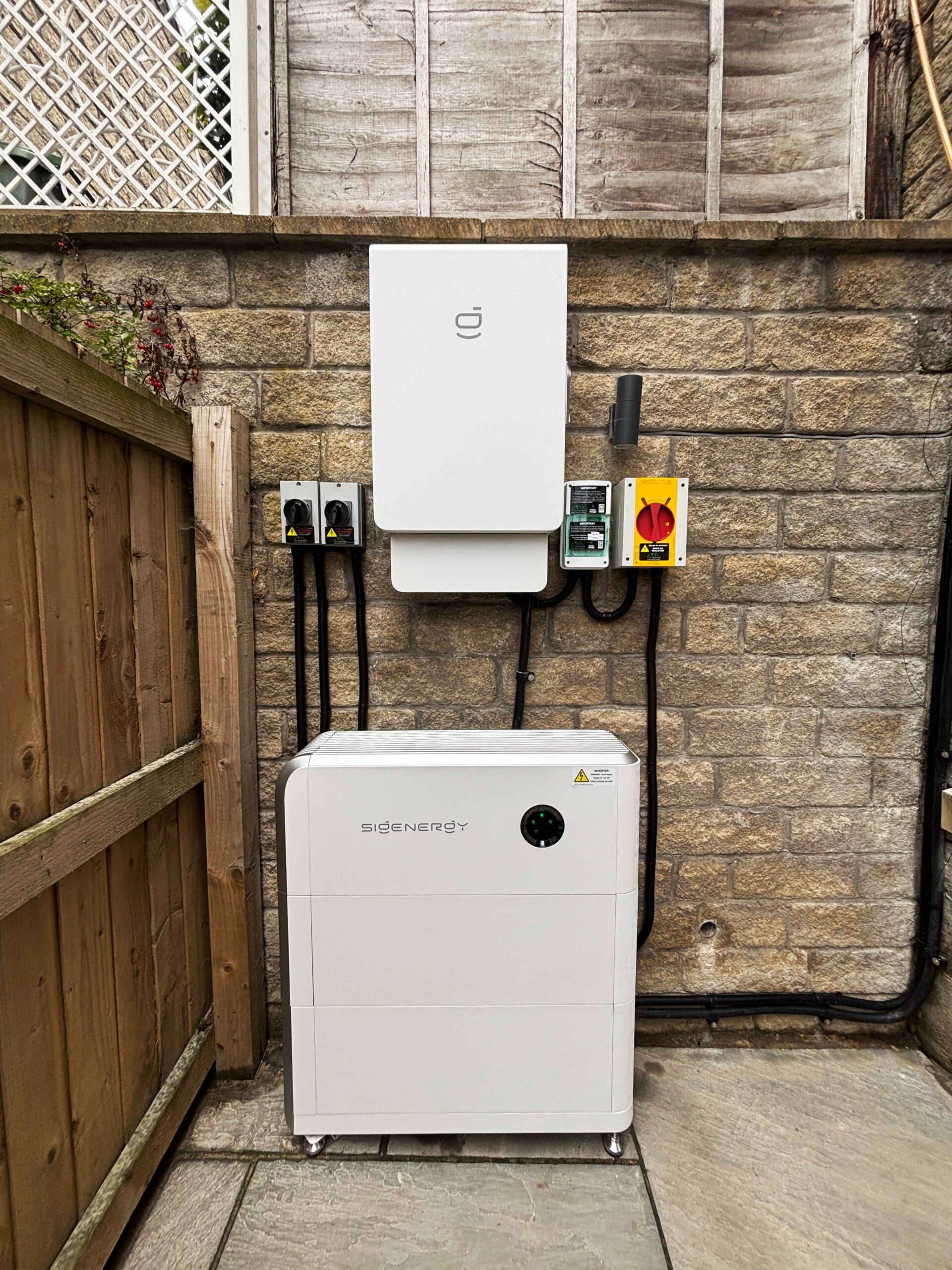
Alps-Electrical---Sigenergy-SigenStor---1

Outdoors on a suitable wall is often the preferred location, at least 1 metre from doors, windows and vents.

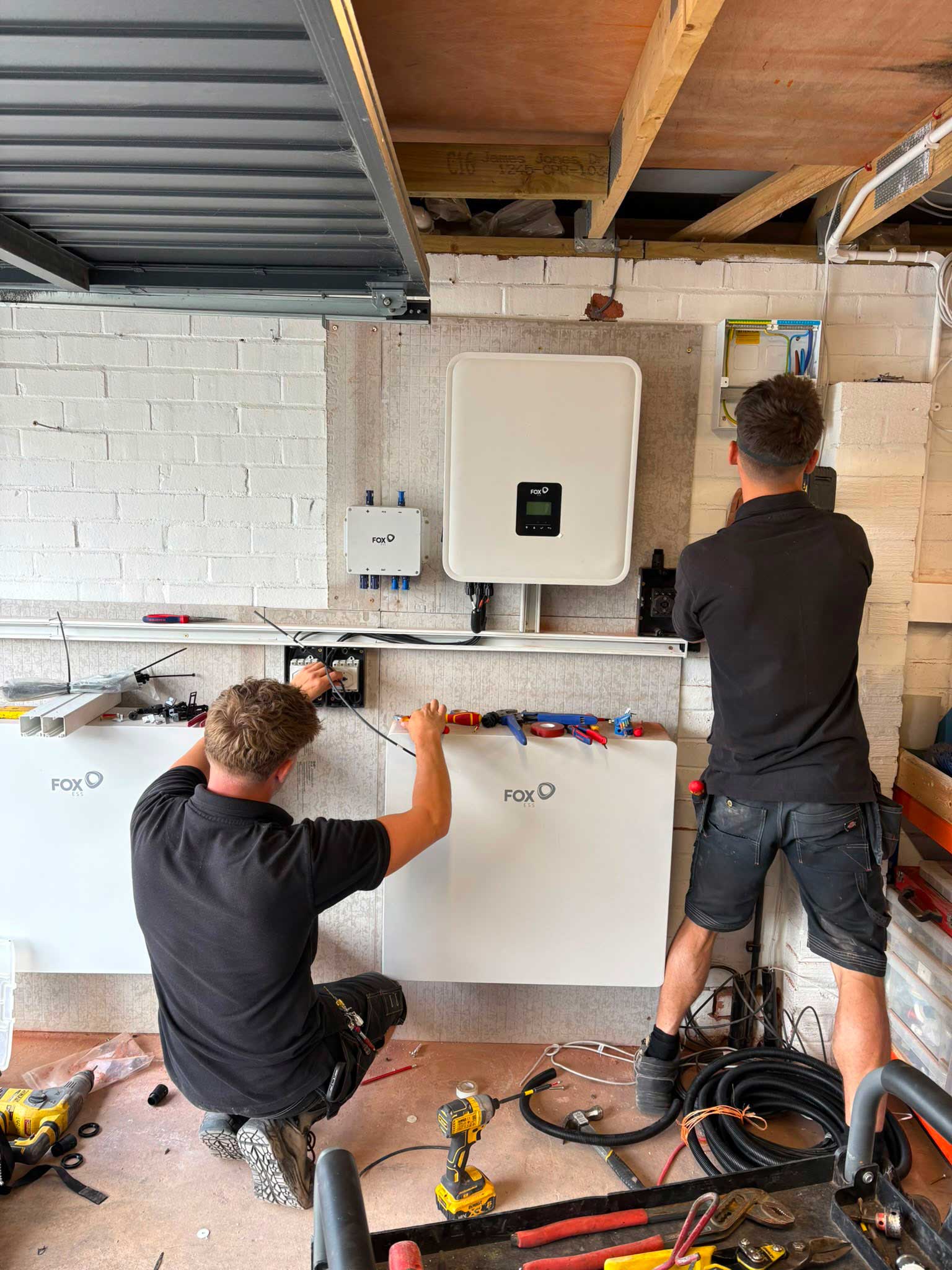
Alps-Electrical---Battery-Storage-Installation

Garages and utility spaces can work well where they meet the requirements.

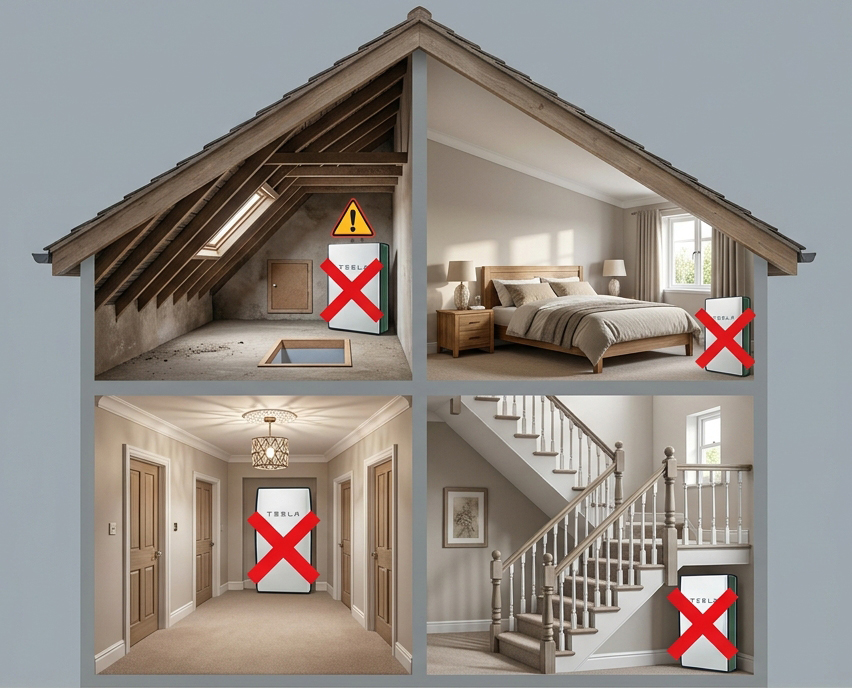
Alps-Electrical---Battery-Storage-Installation--Restricted-Home-Areas

Not in lofts or roof spaces, bedrooms, or hallways, landings and staircases you’d use to get out in a fire.

At your survey, we’ll show you the suitable options for your home and explain why, so there are no surprises on installation day.

Recommended Battery Sizes


Feature Small (2-3 Bed)
Recommended
Medium (3-4 Bed)
Large (4+ Bed)
Daily Usage 6-8 kWh 10-14 kWh 16+ kWh
Solar System 3-4 kW 4-6 kW 6+ kW
Battery Size 5-6 kWh 9-10 kWh 13-17 kWh
Best Options Fox Cube 5.2kWh Powerwall 13.5kWh Powerwall 13.5kWh, Sigenergy

The Battery Systems We Install

ALPS Electrical Tesla Powerwall installer

Tesla Powerwall

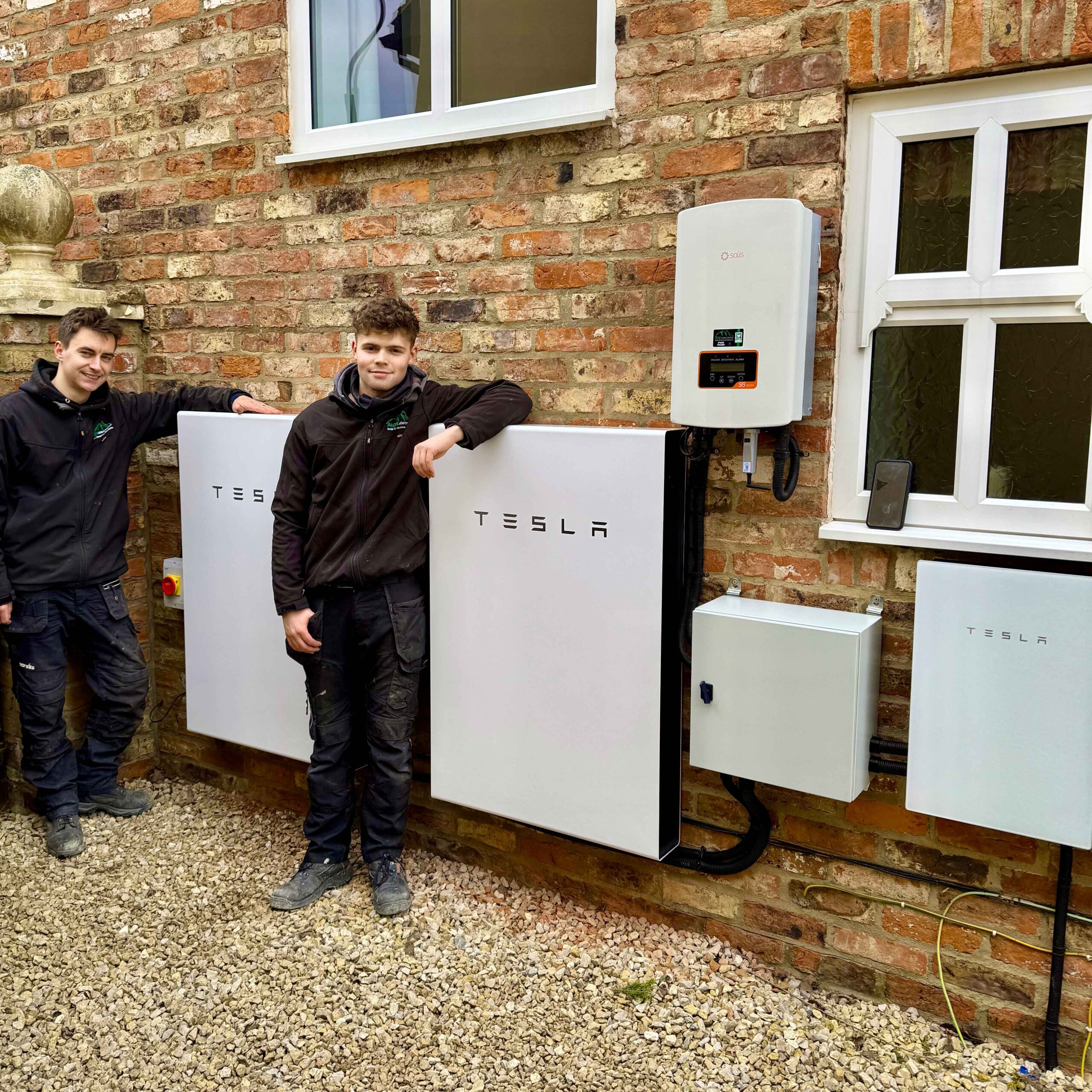
The Tesla Powerwall is the world’s most recognised home battery. The latest Powerwall 3 features a built-in solar inverter, 13.5 kWh of storage, and the industry-leading Tesla app. With the Backup Gateway, it provides whole-home backup during power cuts. We are one of the few Tesla Certified Installers in the North East.

ALPS Electrical myenergi Libbi installer

myenergi Libbi

The myenergi Libbi is an all-in-one home battery that has quickly become a popular choice for UK homes. It offers modular sizing from 5 to 20kWh (in 5kWh modules), a built-in hybrid inverter for a clean single-box installation, and the myenergi app with detailed energy-flow data and smart tariff optimisation — plus seamless integration with the Zappi EV charger. Libbi comes with a 10-year warranty on both the battery and inverter.

ALPS Electrical Fox ESS installer

FOX ESS Fox Cube

The FOX ESS Fox Cube is a compact, well-priced battery system available in 5.2 and 10.4 kWh configurations. It pairs with FOX ESS hybrid inverters for a streamlined DC-coupled installation. FOX ESS provides a 10-year warranty on the Fox Cube battery.

ALPS Electrical Sigenergy installer

Sigenergy

Sigenergy is a premium all-in-one energy system that combines inverter, battery, and energy management in a single sleek unit. It offers outstanding build quality, high efficiency, and full home backup capability. Ideal for customers who want a future-proof platform.

Get a free quote

Which Battery Do We Actually Recommend?

Every home battery does the same basic job: it stores cheap or free energy so you can use it when electricity prices are higher. But the brands differ a lot in features, flexibility and where they can be installed.

For outdoor installations, we favour Sigenergy, Tesla and Fox ESS. Their built-in heating and cooling keep the battery running efficiently in the hottest and coldest weather. These are also our go-to brands if you want full home backup to keep your house running during a power cut.

Sigenergy’s modular, stackable design makes it easy to add storage in smaller steps later on. Tesla offers a single 13.5kWh expansion unit, which is great if you want another large battery but less flexible on size. Fox ESS offers a huge range of styles, including wall-mounted, stackable, indoor and outdoor models, and is excellent value for money.

Most of our customers across Teesside choose Fox ESS because it combines great value for money with top-tier technology and the flexibility to add more capacity as their needs grow.

At your free survey, we’ll look at the suitable locations in your home and recommend the battery system that best fits your needs and budget.

How Much Battery Storage Do You Need?

Our director, Andy, explains how to choose the right battery size for your home. He covers how to work out your daily usage, the difference between a battery’s usable and total capacity, how much you really need to store overnight, and how to plan ahead for an electric car or adding more storage later

Our Battery Installation Process

Free Consultation
We discuss your energy usage, goals, and budget. We review your existing solar system if applicable and recommend the best battery solution.
Home Survey
A detailed on-site assessment of your property, electrical infrastructure, and installation location. We finalise the system design and quote.
System Design
Our team designs the optimal battery configuration, including inverter selection, cable routing, and any consumer unit upgrades required.
Installation Day
Professional installation by our MCS-certified team. Most battery installations are completed in a single day with minimal disruption.
Commissioning & Handover
We configure your battery, set up your app, register warranties, and walk you through how everything works. Full aftercare support included.
Get a free quote

Real battery only installation 1

Kirklevington, Stockton-On-Tees: Fox ESS Cube 12kWh battery-only installation

This customer in Kirklevington came to us wanting solar panels and a battery to bring down their very high energy bills. At the survey, it quickly became clear that solar wasn’t an option because of the shape of their roof. As they already had an electric car, we recommended a battery-only system paired with a good EV tariff.

We installed a Fox ESS Cube 12kWh battery. It now charges every night alongside their car on cheap overnight electricity, then powers their home through the day when prices are higher.

Real battery only installation 2

Stockton-on-Tees: Fox ESS Cube 29kWh battery added to existing FIT solar

This customer in Stockton-on-Tees already had solar panels on the original Feed-in Tariff (FIT) scheme. After installing an air source heat pump and switching to electric vehicles, their electricity usage, and their bills, had risen significantly.

We installed 29kWh of Fox ESS Cube battery storage, along with their EV chargers. With electric cars, they could switch to a cheap overnight EV tariff, so the batteries now fill up at night on low-cost electricity and power their heat pump and home through the day.

Their FIT payments were unaffected. Because their FIT export payments are based on an estimate rather than what they actually send to the grid, they keep receiving the same payments while storing and using more of their own solar energy. Watch the video to see how it all works together.

Get a free quote

Our MCS Customer Commitment

We’re trustworthy
✓You’ll get a copy of the MCS Customer Commitment before you commit to anything
✓We work to the MCS standards for every technology we install
✓We’ll agree a clear timeline with you and let you know promptly about any delays
✓We complete your installation exactly as set out in your contract
We act responsibly
✓No pressure selling, and no misleading headline prices
✓Any subcontractors (such as scaffolders) are competent and properly insured
✓We treat your home with care, clean up after ourselves and recycle waste where possible
✓We keep your installation records for at least six years and protect your personal data
✓If a serious fault or emergency arises, we’ll prioritise it and put it right as quickly as possible
We communicate clearly
✓Plain English, no jargon
✓We explain any permissions, building regulations or network (DNO) notifications needed, and who handles them
✓We tell you upfront if the installation could affect an existing warranty, such as a roof warranty, and get your written agreement first
✓We keep you updated before, during and after your installation
Our contracts are clear
✓A detailed written quotation with no hidden costs or penalties
✓Full product details in your contract: make, model, power rating and storage capacity
✓Realistic, accurate performance estimates before you sign
✓Any deposit is reasonable, part of an agreed payment schedule, and protected
✓Any significant change to your design, cost or timescale is put in writing, and you have the right to cancel
✓Your cancellation rights are clearly explained
We give you a proper handover
✓A full demonstration of your system and how to get the most from it
✓A handover pack with key parts, safety guidance, a maintenance schedule, manuals and all warranties
✓Your MCS certificate and any building regs and DNO paperwork within 30 days of completion
We handle complaints properly
✓We acknowledge any complaint within two working days
✓If we can’t resolve it together, you have access to the MCS complaints process and independent Alternative Dispute Resolution

Flip through or download (…) a copy our MCS Customer Commitment.

You can also find out more information about MCS by clicking the logo below…

Alps Electrical - MCS Certified

Frequently Asked Questions

Can I add a battery to my existing solar panels?
Yes. Most existing solar systems can have a battery added without touching the panels. An AC-coupled battery, including the Tesla Powerwall 3, sits alongside your current solar inverter. If your inverter is older, replacing it with a hybrid inverter can sometimes make more sense, and we will talk you through both options at your survey.
If your solar is on the older Feed-in Tariff (FIT) scheme, you can still add a battery and keep receiving your FIT payments, as long as the system is designed correctly. An AC-coupled battery is usually the simplest option for FIT systems, as it leaves your existing solar setup and generation meter untouched. Your FIT provider must be told when a battery is added, and we will make sure your installation and paperwork meet the requirements so your payments are protected.
Will a battery keep my power on during a power cut?
Only if it is set up for backup. Not every battery system offers it, and backup comes in three main forms.
Whole-home backup. A backup gateway automatically disconnects your home from the grid and runs everything from your battery. On most whole-home systems, your solar panels keep generating and recharging the battery during the day, so you can stay powered for much longer. The switchover is usually so fast you will barely notice the lights flicker.
Essential circuits. Only selected circuits, such as your fridge, lighting and Wi-Fi router, stay powered, which makes your stored energy last longer.
Emergency power supply (EPS) socket. Many inverters can power a single dedicated socket during a power cut until the battery runs out. It is a lower-cost option for keeping one or two important devices running. Whether your solar can keep charging the battery in this mode depends on the system.
Power cuts in the UK are fairly rare and usually short, so backup is not essential for everyone. But if you work from home, live somewhere rural, or simply want peace of mind, let us know at your survey and we will explain the options for your system.
If anyone in your home relies on powered medical equipment, you should also register with Northern Powergrid’s free Priority Services Register. A battery can add reassurance, but it should not be your only backup plan.
Does solar work during a power cut?
Not on its own. Many people are surprised to learn this, but for safety reasons, standard solar inverters must switch off automatically when the grid goes down. This stops power being sent back into the network while engineers are working to fix the fault. So even on a sunny day, a solar system without battery backup stops powering your home during a power cut.
With a battery and whole-home backup gateway, your home is safely disconnected from the grid first, so your solar can keep running and recharging the battery until the grid comes back.
Do I need solar panels to have a battery?
No. A battery can charge from the grid overnight when electricity is cheapest, then power your home during the more expensive daytime and evening hours. Standalone batteries also qualify for 0% VAT until 31 March 2027, after which the rate is due to rise to 5%.
A battery-only system works best on a time-of-use tariff with low overnight rates. Some of the cheapest tariffs are available to households with an electric vehicle, so if you have an EV and a home charger, a battery can make those low rates work even harder.
Adding solar panels makes a battery even more useful. Your panels top up the battery with free energy throughout the day, so you are far less likely to run out before the cheap rates return. Solar generates much more in summer than in winter, and we will explain what to realistically expect for your home at your survey.
Do I need permission from the electricity network?
Batteries connected to the grid must be notified to or approved by your local network operator, which in our area is Northern Powergrid. The process depends on the size of the system. We handle all of this for you free of charge.
How much could a battery save me?
It depends on how much electricity you use, when you use it, your tariff and whether you have solar panels. But you can get a rough idea with a simple calculation.
Example: battery only, no solar
On an EV tariff like Intelligent Octopus Go, overnight electricity costs around 8p per kWh, compared with around 27p per kWh at other times.
  • Charging a 10kWh battery overnight costs about 90p, allowing for small energy losses when charging.
  • Using that same 10kWh at the daytime rate would cost about £2.70.
  • That is a saving of around £1.80 a day, or roughly £500–£600 a year if you use the full battery every day.
Rates correct as of September 2026.
Real savings are usually a little lower, since not every home uses its full battery every day. Adding solar panels can increase your savings significantly, as the battery can also store free solar energy and you can earn money by exporting surplus power.
Tariff prices change regularly, so at your free consultation we will work out realistic savings based on your actual usage and the best tariff for your home.
Where will the battery go?
Usually on an outside wall, or in a garage or utility space. Batteries cannot go in lofts or escape routes such as hallways and landings. We will show you the suitable options at your survey, and recommend the best system for that location.
Get a free quote

See the Process

Why Homeowners Choose ALPS Electrical | Solar, Battery & EV Experts in the North East

Watch our
YouTubevideos!


We film our installations and publish them on YouTube. We believe it offers customers a chance to see how we work and meet the team, and gives full transparency.

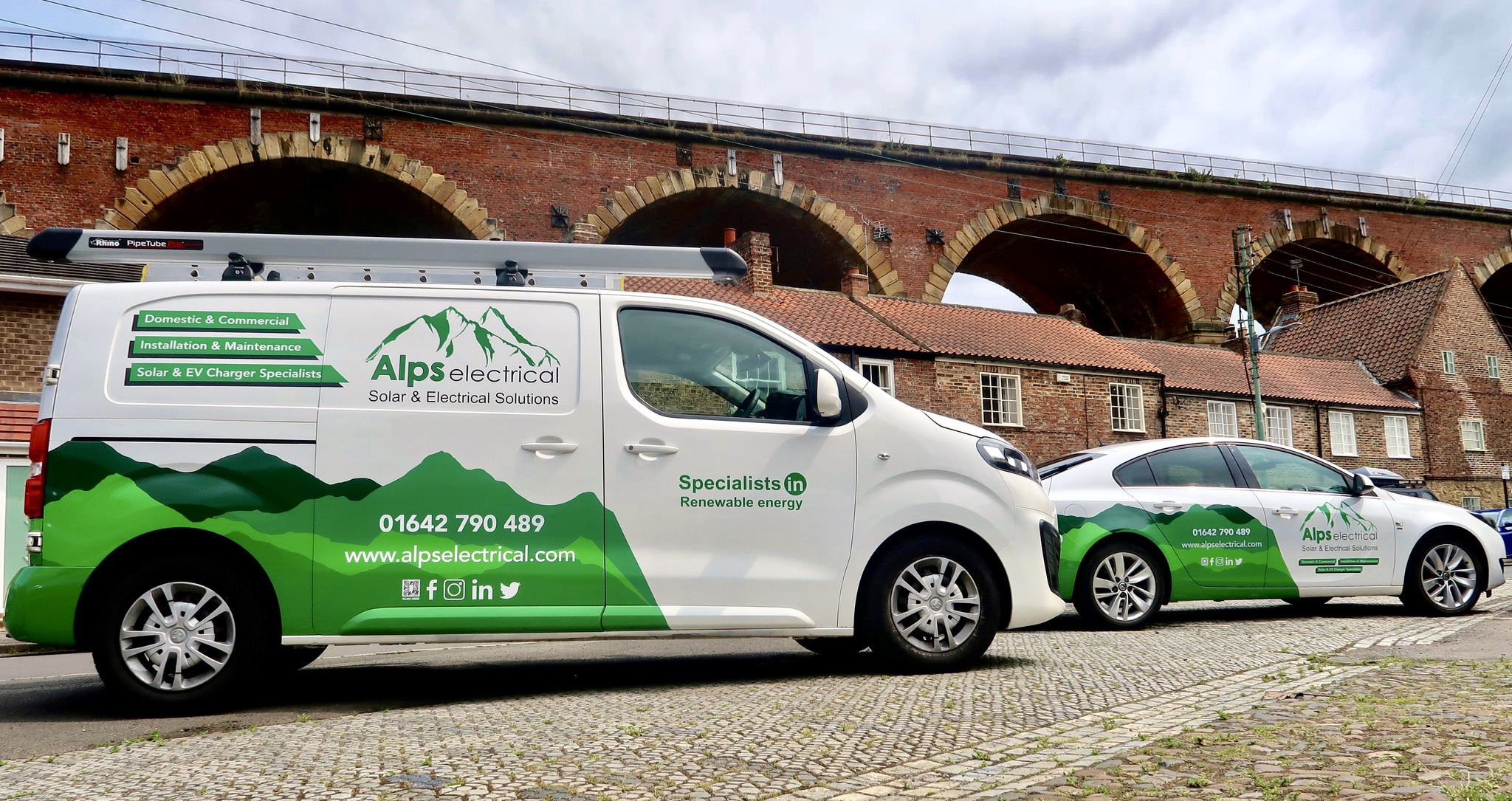
Alps Electrical installation vans in Yarm, Teesside

Why Choose ALPS Electrical For Your Home Battery in Nunthorpe?

We’re a family-run business based in Yarm, and we’ve installed battery storage for homes right across Teesside, County Durham and North Yorkshire. With more than 500 five-star reviews across Google and Checkatrade, we’re one of the most highly rated renewable installers in the North East.

As a Tesla Certified Installer, we also install Sigenergy, Fox ESS and myenergi systems, so we recommend the battery that suits your home and usage rather than the one we happen to sell. We regularly add batteries to solar systems fitted by other installers, and we’ll tell you honestly if a battery won’t pay for itself in your situation.

Every installation is carried out by our own experienced team, never subcontracted. Before we leave, we set up your app, configure the battery to make the most of your tariff, and show you exactly how it works. After that, our in-house aftercare team is on hand for the life of your system.
Get in touch for a free, no-obligation battery quote and find out how much you could save.

ALPS NEW LOGO NO SUBLINE - Transparent
  • 0% VAT on home battery installations, including retrofits, until 31 March 2027
  • Tesla Certified, MCS certified and NAPIT registered
  • Owner-led survey and system design
  • Batteries added to existing solar systems, whoever installed them
  • App setup and tariff configuration included
  • In-house aftercare for the life of your system
  • Fixed written price, with no surprise extras
Alps Electrical Logo - White

Ready to Join Our Happy Customers?

Get a free, no-obligation quote from award-winning sustainability experts. MCS certified, 500+ outstanding reviews, 10/10 rated.

Choose Once. Choose ALPS!

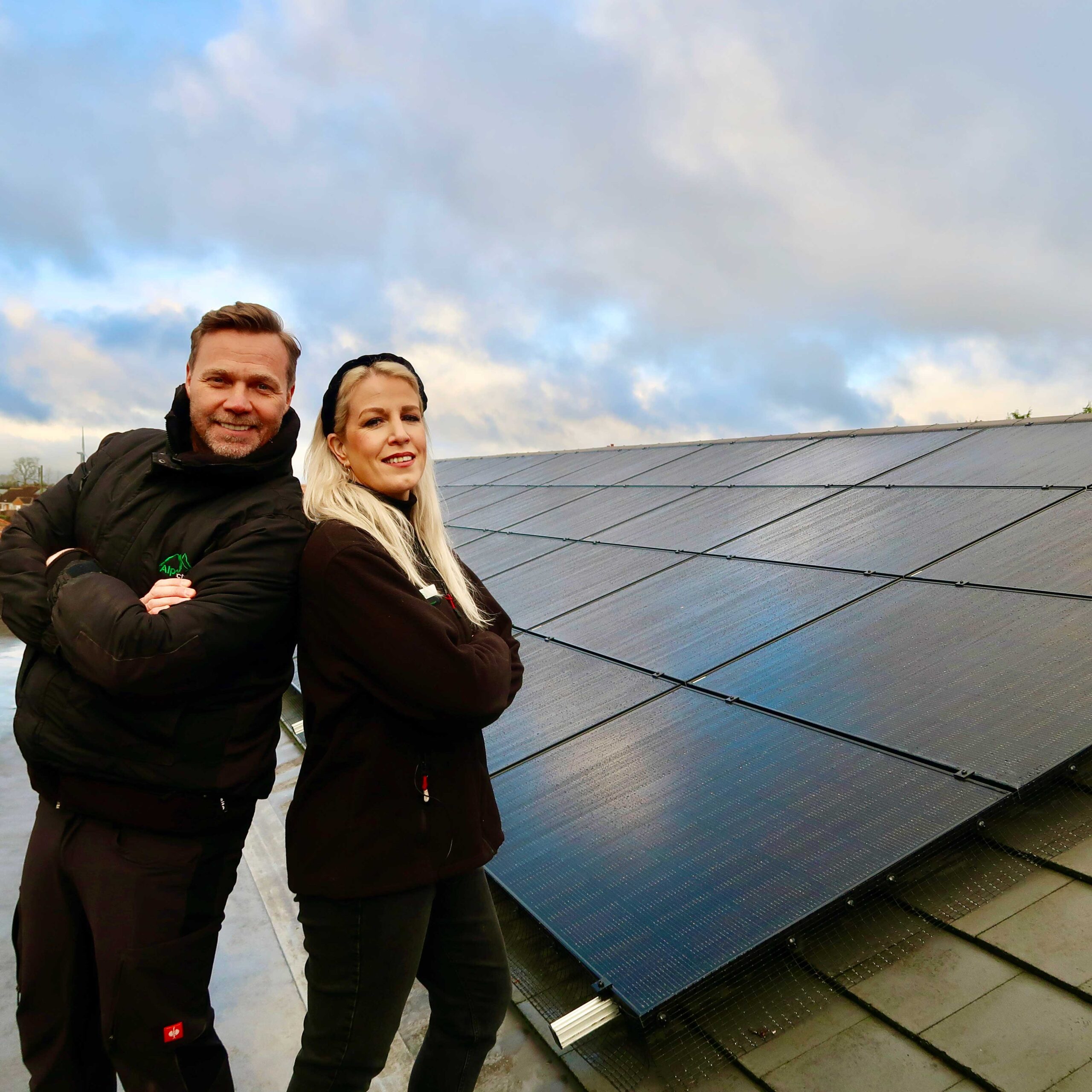
Andy Pemberton (Co-Founder & Lead Electrician) & Bella Pemberton (Co-Founder & Operations Director)