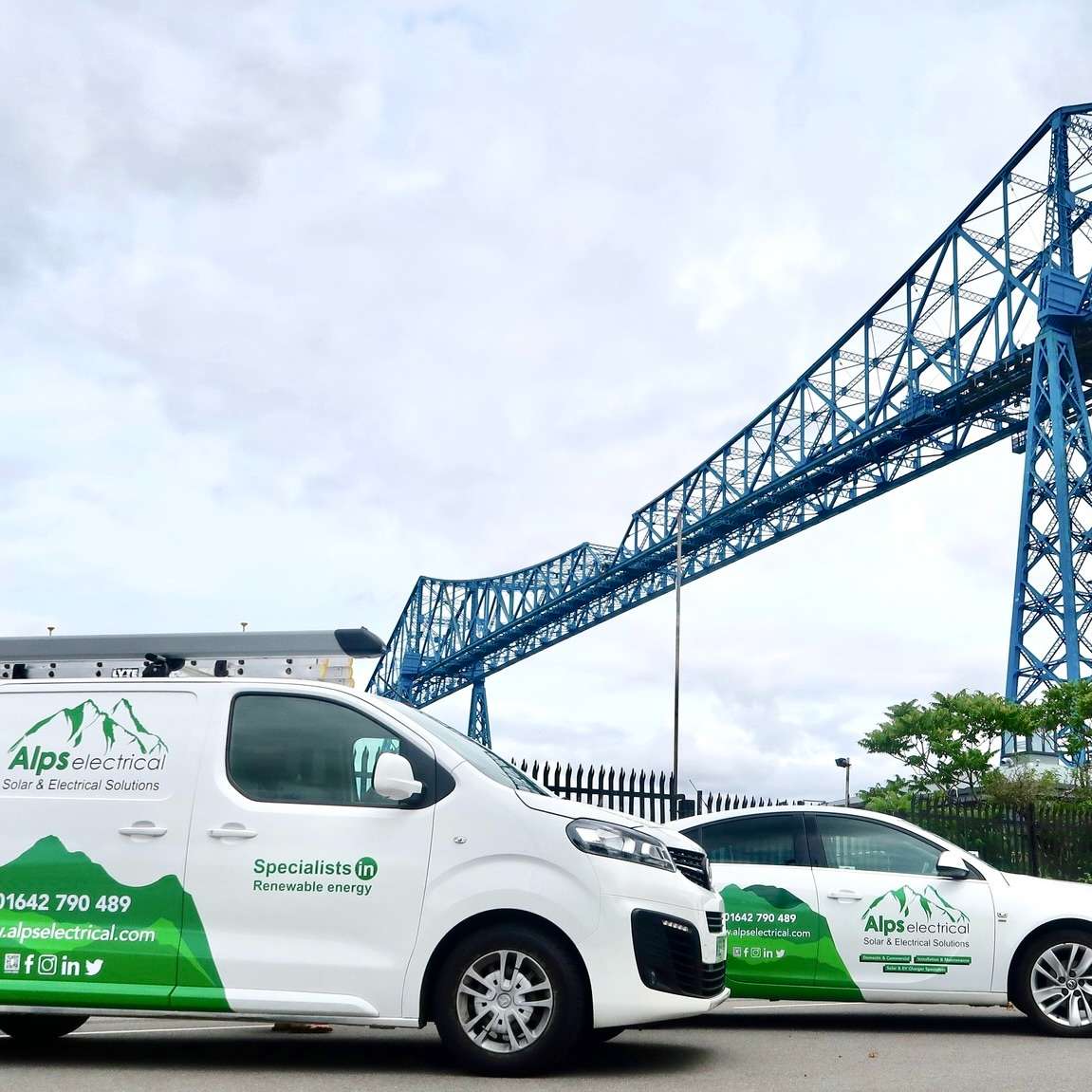
EV Charger Installation — Home & Commercial
MCS certified, award-winning installation by ALPS Electrical. 500+ five-star reviews on Checkatrade.


Quick answer
How much does a home EV charger installation cost in the UK?
A 7kW home EV charger installation costs £799-£999 fitted (Wallbox Pulsar Max £799, Ohme Home Pro £849, Tesla Wall Connector £899, MyEnergi Zappi £999). All prices include the £500 OZEV grant, the unit, all cabling up to 10m, DNO notification and commissioning. Solar diversion (Eco/Eco+ modes) is available with Zappi and Wallbox. Most installs complete in 3-4 hours.
Why Install a Dedicated EV Charger?
3x Faster
Than a 3-pin plug
5–8 hrs
Full overnight charge
2–3p/mile
On cheap overnight tariffs
If you have recently purchased an electric vehicle or are planning to make the switch, a dedicated home EV charger is one of the best investments you can make. Charging at home is significantly cheaper than using public chargers, and a dedicated 7kW wallbox charges your car up to three times faster than a standard three-pin plug. A full charge from a typical 7kW home charger takes 5 to 8 hours depending on your vehicle's battery size, making overnight charging the perfect routine.
Safety Warning: Three-Pin Plugs
Three-pin plug sockets are not designed for the sustained high loads that EV charging demands. Drawing 2.3kW continuously for 12+ hours places significant stress on domestic sockets and wiring, creating a potential fire risk. A dedicated EV charger is wired on its own circuit with appropriate protection.
Smart EV chargers also unlock significant cost savings through integration with cheap overnight electricity tariffs. By scheduling your car to charge between midnight and 4:30am on a tariff like Octopus Go, you can charge for as little as 2 to 3 pence per mile driven, compared to 5 to 7 pence per mile on a standard tariff or 14 to 18 pence per mile on public rapid chargers.
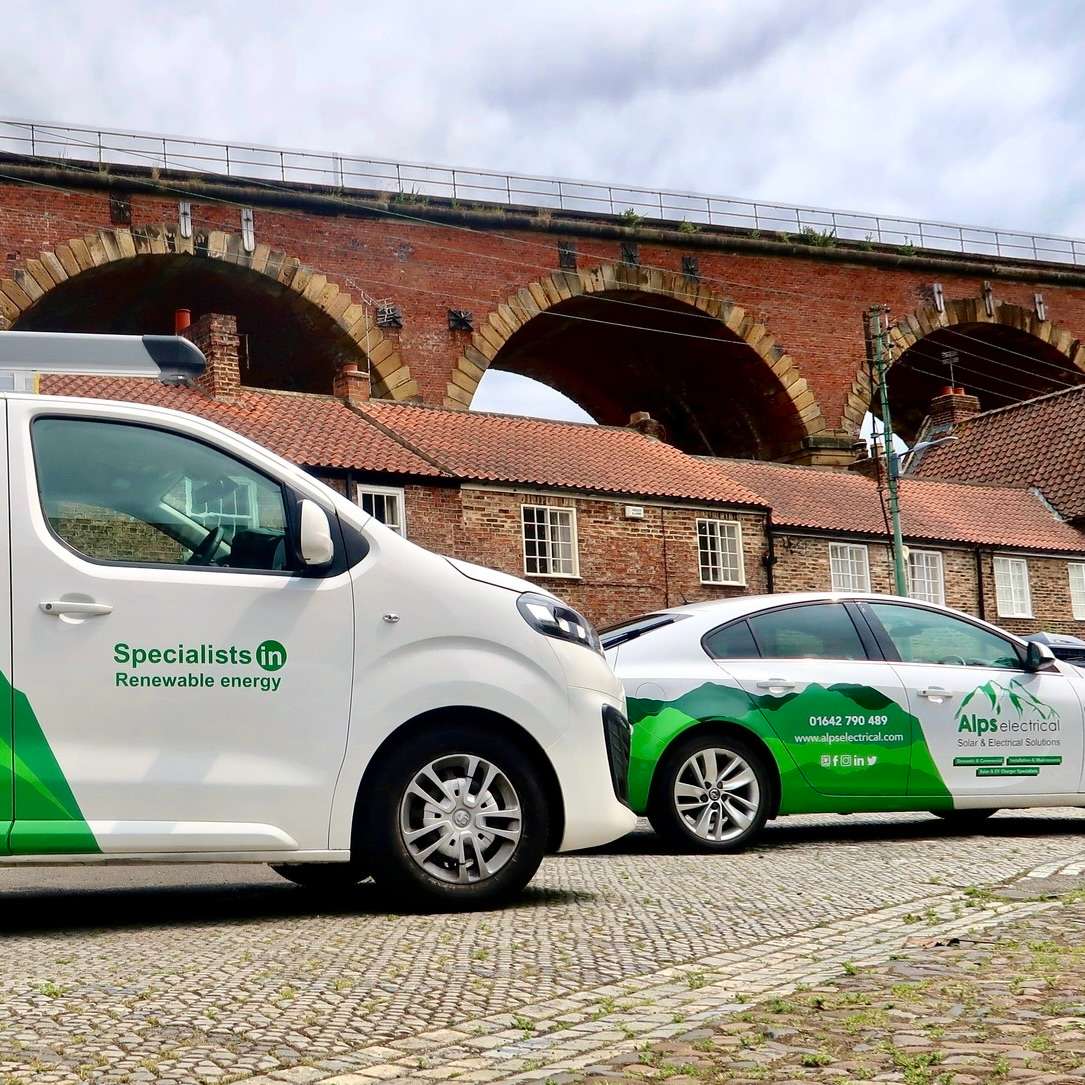
A dedicated EV charger installed by ALPS Electrical
EV Charger Types: Choosing the Right Charger
MyEnergi Zappi
The standout choice for homeowners with solar panels. Directly diverts excess solar energy to your car — genuinely free motoring. Three modes: Fast (full grid), Eco (solar+grid), Eco+ (solar only).
Tesla Wall Connector
Tesla's own home charging solution. Integrates with Tesla app for scheduling, charge limits and energy monitoring. Communicates directly with Tesla Powerwall to optimise energy flow.
Wallbox Pulsar Max
One of the most compact chargers on the market at just 200mm x 200mm. Full 7.4kW charging with comprehensive smart app, scheduling, energy monitoring and remote control. IP55 weatherproof.
Ohme Home Pro
The smart tariff specialist. Integrates directly with Octopus Energy and other time-of-use tariffs to automatically charge during the cheapest half-hour slots. Features power sharing for homes with limited capacity.
Easee One
The Easee One is a Norwegian-designed charger known for its sleek aesthetics and robust build quality. It is one of the most popular commercial chargers in the UK and also works well for domestic installations. The Easee supports load balancing across multiple chargers, making it ideal for properties with two EVs or for commercial installations where several charge points share a single supply. The Easee app provides detailed charging analytics and remote management.
The OZEV Grant: Save Up to 350 Pounds
OZEV Grant — Up to £500 Off
ALPS Electrical is an OZEV-approved installer. We handle the entire grant application process — you simply pay the reduced price after the grant has been applied.
Eligibility Requirements
To qualify for the OZEV grant, you must own or lease an eligible electric vehicle (fully electric or plug-in hybrid), have off-street parking where the charger can be installed, and live in a flat or rented property (homeowners in houses became ineligible in April 2022, though the grant remains available for renters and flat owners). The charger must be installed by an OZEV-approved installer, and it must be a smart charger capable of being remotely controlled and scheduled.
For homeowners in houses who are no longer eligible for the domestic OZEV grant, the cost of EV charger installation remains highly competitive. A typical installation including a quality smart charger costs between 800 and 1,200 pounds, and the savings from home charging versus public charging mean the investment pays for itself within months.
Workplace Charging Scheme
Workplace Charging Scheme (WCS)
Businesses can access grants of up to £500 per socket for up to 40 sockets. We handle the WCS application and can advise on the optimal number and type of chargers for your workplace.
Smart Charging and Solar Integration
Modern EV chargers are smart devices that go far beyond simply delivering electricity to your car. Smart charging features can save you hundreds of pounds per year and, when combined with solar panels and battery storage, create an integrated home energy system.
Scheduled Charging
Plug in when you arrive home, charging starts automatically at the cheapest overnight rates. On Octopus Go, charge at 7.5p/kWh instead of standard daytime rates.
Annual cost: ~£240 vs £560 on standard tariff
Solar Diversion
A MyEnergi Zappi charges your car entirely from solar energy — genuinely free motoring. A 6kW system adds 20-30 free miles per day on sunny days.
50–70% of EV charging from solar alone
Battery + EV Interaction
Without proper setup, your home battery may discharge into your EV charger overnight, cycling energy unnecessarily. We configure all installations to prevent this.
See our YouTube video on this topic
Cable Runs and Installation Considerations
Every home is different, and EV charger installations range from straightforward to complex. The main variables are the distance from your consumer unit to the charger location (the cable run), whether your consumer unit needs upgrading, and the physical route the cable must take.
Short Cable Runs
Consumer unit in your garage or near the front of the property. Quickest and most cost-effective — usually completed in 2 to 3 hours.
Long Cable Runs
Consumer unit at the rear, charger at the front, or long driveways. Requires thicker cable to prevent voltage drop. We have completed runs up to 65 metres through lofts, along walls and underground.
Consumer Unit Upgrades
An EV charger draws a significant load, and older consumer units (fuse boards) may not have the capacity or the appropriate protection for an additional high-current circuit. If your consumer unit needs upgrading, we carry out the upgrade as part of the EV charger installation. A modern consumer unit with RCBO protection on every circuit improves the safety of your entire electrical installation, not just the EV charger circuit.
Commercial EV Charger Installation
We install commercial EV chargers for businesses across the North East, including workplaces, retail premises, hospitality venues, car parks, and housing developments. Commercial installations require careful planning around electrical supply capacity, network connectivity, payment systems, and user management.
For businesses, we recommend the Easee One for its robust load balancing across multiple chargers, or the Wallbox Pulsar range for its commercial management platform. We handle the full project from site survey and electrical assessment through to installation, commissioning, and Workplace Charging Scheme grant applications.
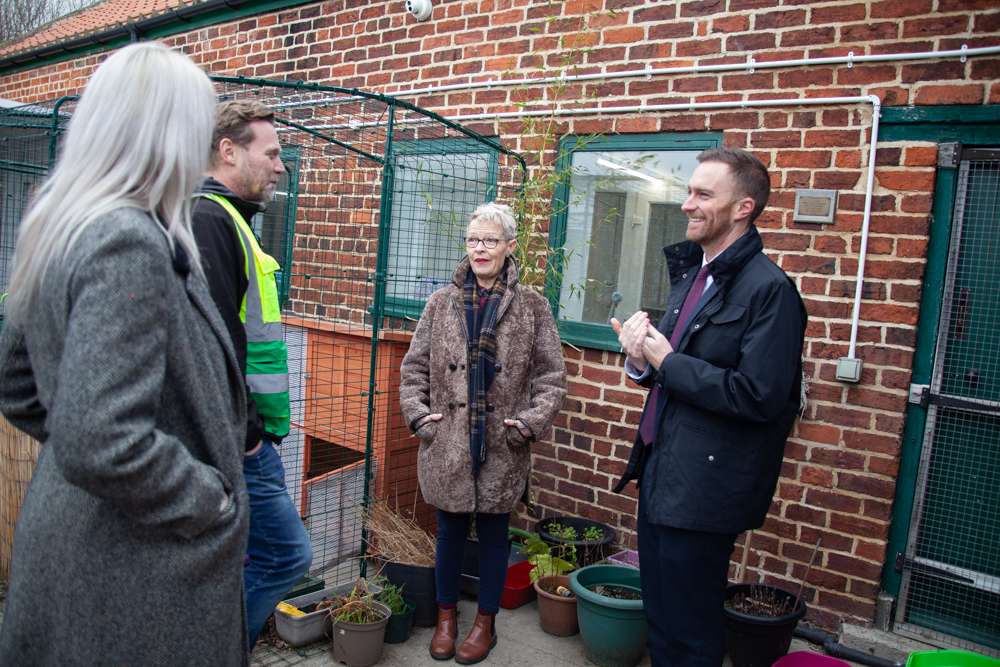
Integrated solar and EV charging installation
Our EV Charger Installation Process
Survey & Quote
We assess cable run, consumer unit, earthing and charger location. Discuss your vehicle, driving habits and solar plans. Clear, itemised quote with no hidden costs.
Installation
Standard installation takes 2-4 hours. Dedicated cable from consumer unit, appropriate isolation and protection, correct earthing and bonding. Consumer unit upgrade completed first if required.
Commissioning
Test charger, connect to Wi-Fi, set up manufacturer's app, configure scheduling, solar diversion and smart tariff integration. All certificates and warranty documentation provided.
Why Choose ALPS for EV Charger Installation?
ALPS Electrical is OZEV approved, NAPIT registered, and has over 375 five-star reviews on Checkatrade. We install all major charger brands and are experienced with every type of installation, from simple garage mounts to 65-metre cable runs across large properties. As solar and battery specialists, we are uniquely positioned to advise on integrating your EV charger with renewable energy systems for maximum savings. Contact us today for a free quote and start charging smarter.
Ready for a Free Survey?
No obligation. One of our MCS-certified engineers will assess your roof, run the numbers, and send you a full itemised quote.
500+ five-star reviews — "Absolutely first class from start to finish. Our electricity bills have dropped by over 80% since installation." — James W., Ingleby Barwick
Brands We Install
Watch Our Installations
Areas We Cover
Related Guides
Frequently Asked Questions
A typical home EV charger installation costs between £800 and £1,200 depending on the charger model and cable run distance. This includes the charger unit, all cabling, installation and commissioning. The OZEV grant covers up to £500, bringing the net cost down to £450-£850. Longer cable runs or consumer unit upgrades (if required) may add to the cost.
The OZEV (Office for Zero Emission Vehicles) grant provides up to £500 towards the cost of installing a home EV charger. To qualify, you need an eligible electric vehicle, off-street parking, and the charger must be installed by an OZEV-approved installer like ALPS Electrical. We handle the entire grant application process — you simply pay the reduced price.
The best EV charger depends on your priorities. The MyEnergi Zappi is ideal if you have solar panels as it can divert excess solar energy to your car. The Ohme Home Pro offers the best smart tariff integration for cheap overnight charging. The Tesla Wall Connector is the premium choice for Tesla owners. The Wallbox Pulsar Max offers excellent build quality and smart features. We can advise on the best charger for your specific setup.
Yes, and this is one of the most satisfying aspects of having both solar and an EV. A MyEnergi Zappi charger can automatically divert excess solar energy to your car, giving you genuinely free motoring. On a sunny day, a 4kW solar system can add 15-20 miles of range per hour of charging. Combined with battery storage, you can store daytime solar energy and charge your car overnight from the battery.
A tethered charger has the cable permanently attached (like a petrol pump), so you simply grab the cable and plug in. An untethered (socketed) charger requires you to use your own cable. Tethered is more convenient for home use. Most chargers are available in both options. The Zappi, Ohme Home Pro and Wallbox Pulsar Max are all available tethered.
Yes, we install commercial EV chargers for businesses, workplaces, car parks and hospitality venues. The Workplace Charging Scheme provides grants of up to £500 per socket (up to 40 sockets) for businesses. We handle the entire process from site survey and electrical assessment through to installation, commissioning and grant applications.
A standard home EV charger installation takes 2-4 hours. If a consumer unit upgrade is also required, this may extend to a full day. Complex installations with long cable runs (we have handled up to 65 metres) may take longer. We always provide a clear timeline during the survey and keep you informed throughout.
No. By law, EV charger installation must be carried out by a qualified electrician registered with a competent person scheme such as NAPIT. This ensures the installation meets BS 7671 wiring regulations and Part P building regulations. DIY installation would also void the charger warranty and make you ineligible for the OZEV grant. Always use a registered installer like ALPS Electrical.
Yes. The OZEV EV Homecharge Scheme grant of up to £500 is still available in 2026 for eligible homeowners and tenants in Teesside and across the UK. You need an eligible electric vehicle, dedicated off-street parking, and an OZEV-approved installer. ALPS Electrical is OZEV-approved and processes the grant application on your behalf — you simply pay the reduced net price.
Yes — and this is one of the most rewarding combinations. A Zappi or Ohme charger with solar divert functionality routes surplus solar generation directly to your EV instead of exporting at low rates. On a good sunny day in the North East, a 4kW solar system generates enough surplus to add 15-25 miles of range per hour. Over a year, a solar-equipped household can cover 30-50% of typical annual EV charging costs from their own generation.
Why book ev charger installation with ALPS Electrical
Most quotes for this service come from three places — regional family-run specialists (us), national MCS franchises, or sole-trader cheap quotes. Here's the trade-off.
| Feature | ALPS Electrical Family-run local | National installer e.g. franchise | Cheap quote Sole trader |
|---|---|---|---|
| MCS certified Required for 0% VAT + Smart Export Guarantee | |||
| NAPIT registered Electrical regs compliance + Building Notice | Some | ||
| Tesla Certified Installer Direct Tesla support + Powerwall stock priority | |||
| Local survey + design Owner-led, not subcontracted | Sometimes | ||
| Fixed written price No surprise extras on the day | |||
| Single installer team Same team designs + installs + commissions | Subcontracted | ||
| Same-day digital cert MCS / EICR / DNO docs by email same day | |||
| In-house aftercare One number to call for life of system | Call-centre | ||
| 500+ verified reviews Checkatrade + Google, real customers | 500+ | Mixed | Few |
| Tesla Powerwall stock Direct Tesla allocation, no 6-month waits |
ALPS Electrical
Family-run · local · Tesla Certified
- MCS certified
- NAPIT registered
- Tesla Certified Installer
- Local survey + design
- Fixed written price
- Single installer team
How we deliver every ev charger installation
A structured process refined over 500+ installations. MCS standards, NAPIT-registered team, fixed pricing — every job.
-
Free survey + DNO check
30 minWe check your incoming supply, consumer unit capacity and where the cable will run. Confirms whether your property needs a consumer unit upgrade or earthing modification before installing.
-
OZEV grant application
24 hrsEligible properties get up to £500 off via the OZEV EV chargepoint grant. We complete the application and discount it from your invoice — no claim-back paperwork for you.
-
Installation day
3-4 hrsOZEV-approved electrician installs the unit, runs the cable (concealed where possible), fits any necessary RCBO protection, and notifies your DNO (Northern Powergrid or SP Energy).
-
Commissioning + app setup
Same dayWe test, commission and walk you through the manufacturer app — Zappi, Ohme, Tesla and Wallbox all have different smart-tariff and solar-diversion settings to configure.
-
Manufacturer warranty + lifetime support
OngoingMost chargers come with a 3-year manufacturer warranty (Zappi 5-year). ALPS lifetime aftercare for the install. One number to call if anything needs attention.
Areas ALPS Electrical cover
Award-winning, MCS & NAPIT-certified solar, battery, EV & electrical installers across Teesside, County Durham & North Yorkshire — including solar panels Redcar, solar panel installers Yarm, solar panel installation Ripon, solar panels Northallerton, solar panel installers Guisborough, solar panel installation Stokesley, solar panels Thornaby, solar panel installers Billingham and solar panel installation Ingleby Barwick. Free surveys, 500+ five-star reviews, Tesla-Certified.
Where we install
ALPS Electrical is based in Yarm, Teesside (TS15) and installs across Teesside, County Durham and North Yorkshire — roughly a 30-mile radius including Middlesbrough, Stockton-on-Tees, Darlington, Hartlepool, Redcar, Northallerton, Guisborough and the surrounding villages. We are not able to take on installations outside this area, so if you are further afield we would recommend finding a certified installer local to you — for a Tesla Powerwall, Tesla's own certified installer directory is the best place to start.
Solar panel installation across our 30-mile area
Solar PV is what we do most, and we install it right across Teesside, County Durham and North Yorkshire — every town below is within about 30 miles of our Yarm base, so you get a local survey, a local team and local aftercare. Choose your town for costs, output and planning specifics: solar panel installation Middlesbrough, Sedgefield solar panel installers, solar panels Darlington, solar panel installers Stokesley, solar panel installation Redcar, Guisborough solar panel installers, solar panels Middleton St George, solar panel installers Hartlepool, solar panel installation Newton Aycliffe, Northallerton solar panel installers, solar panels Saltburn, solar panel installers Bishop Auckland, solar panel installation Thirsk, Durham solar panel installers, solar panels Richmond, solar panel installers Yarm, solar panel installation Eaglescliffe, Ingleby Barwick solar panel installers, solar panels Thornaby, solar panel installers Stockton-on-Tees, solar panel installation Billingham.
Not sure which is closest? See every area we cover or our main solar panel installation service.